
WWI-WWII(and between)
- Mar 5, 2015
- 2 min read

There was a boom in the mining and farming industry of Colorado during the war years on World War I in order to support the war effort. Farmers bought new farming and other equipment, which made those farmers go into debt. As the years went on, they were producing more produce than was needed, especially after the war was over and the troops were home.
There was a significant drop in the framing industry right after the war( about the 1920s) because of the overproduction of crops, such as wheat, and not enough need for all of those crops. Colorado was already in their own depression when the Great Depression(1930s) hit. Because of they had already hit their own depression, Coloradans didn’t feel much impact from the country’s depression. The only thing that made Colorado’s situation worse was the Dust Bowl.
Constant sand storms swept across the Great Plains of the US. Sand and dirt getting into houses, short-circuiting and picking up vehicles, and killing animals by suffocating them. Not only did these storms affect those things, but they affected the production of crops, because who could grow anything when there was sand constantly blowing on the pants and uprooting them?
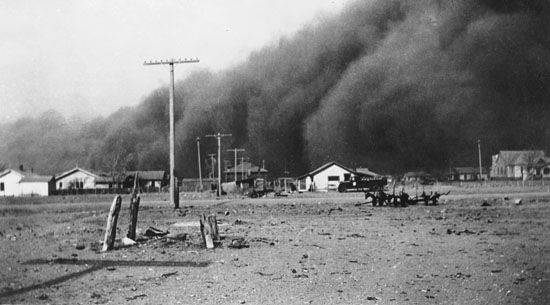
After the dust finally settled down in the late 1930s, Colorado was desperate to get out of their almost 20 year depression. Coloradans started building army bases for the US Armed Forces, and did everything they could to support the second World War. They started farming back up, but used new methods and machinery. They also opened new mines that produces things that could help in weapon manufacturing.
‘Till this day, Colorado still has army bases, such as the Air Force Academy, and they have a fairly large weapons depot that still makes weapons for the US Armed Forces.
Comments